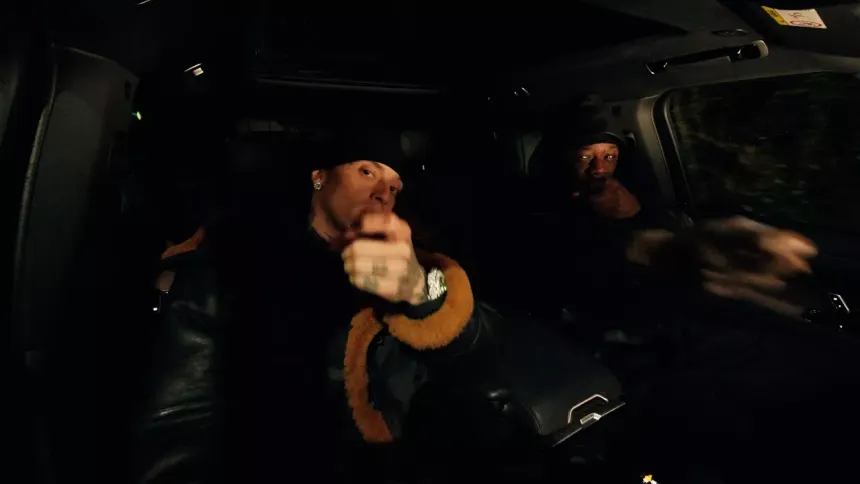
BBC 1xtra DJ Tiffany Calver speaks on her partnership with Help Musicians in order to help promote the next generation of UK Rap.
Research by Black Lives in Music also reported that 35% of Black musicians work in genres of Black origin such as rap/hip-hop, and 63% report experiencing direct or indirect racism, with almost a third (29%) reporting discrimination as a significant barrier to entry.
Tiffany Calver has taken it upon herself to help support the scene and thee community to launch the UK Rap Award, a 12-month career accelerator providing financial support, business advice, mentoring and essential industry networks.
To mark the launch, Tiffany spoke to GRM Daily about the partnership, the barriers she hopes to help rappers overcome, and why the genre deserves greater support.
She did an interview with Patch, editor of Frontline Magazine on behald of GRM Daily.
Patch: What made you want to partner with Help Musicians for the launch of the UK Rap Award?
Tiffany Calver: “Honestly, this partnership made sense to me immediately. Help Musicians has a long history of backing artists when nobody else will, and UK rap is a scene that’s had to build itself without the privilege of institutional support. So, when they approached me about a programme specifically designed to elevate emerging rappers with real funding, real access, real mentorship…it felt like the easiest yes.
I wanted to use my platform to help build something that genuinely shifts the infrastructure for the next generation and this partnership is just the beginning of doing that.”
You’ve been one of the leading voices in UK rap for years – how would you describe the current landscape for emerging rappers right now?
“There’s so much talent, and the creativity is incredible. UK rap is one of the most innovative spaces in British music and always has been. But at the same time, the pathways aren’t always clear. A lot of artists are making career-defining moves with very little support behind the scenes. It’s inspiring to see when it works, but also tough when it doesn’t. Emerging rappers often work twice as hard for half the access.”
What do you think are the biggest obstacles facing new rap artists trying to break through?
“Gatekeeping. Lack of networks. Limited visibility in the spaces that hold power. There’s also the financial pressure. Studio time, visuals, marketing. None of that is cheap. And a lot of artists coming up in rap don’t have the same institutional routes or early-career support that other genres benefit from. 99% of UK rap stories begin from underprivileged areas with limited resources so artists are already starting the race a few steps behind, trying to build their dreams without the networks, funding or early industry access. The talent is there, but the infrastructure isn’t.”
This comes after she revealed she’ll be quitting the BBC:
To read the rest of the interview click here.