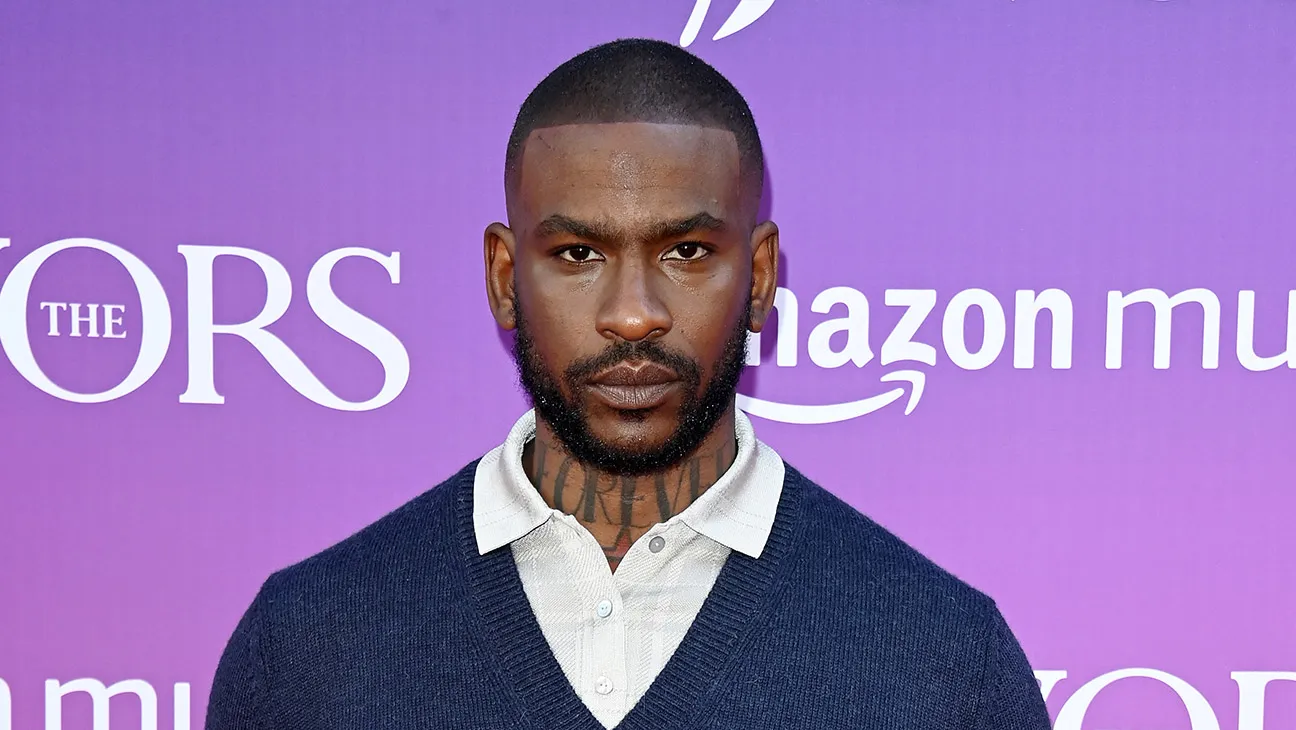
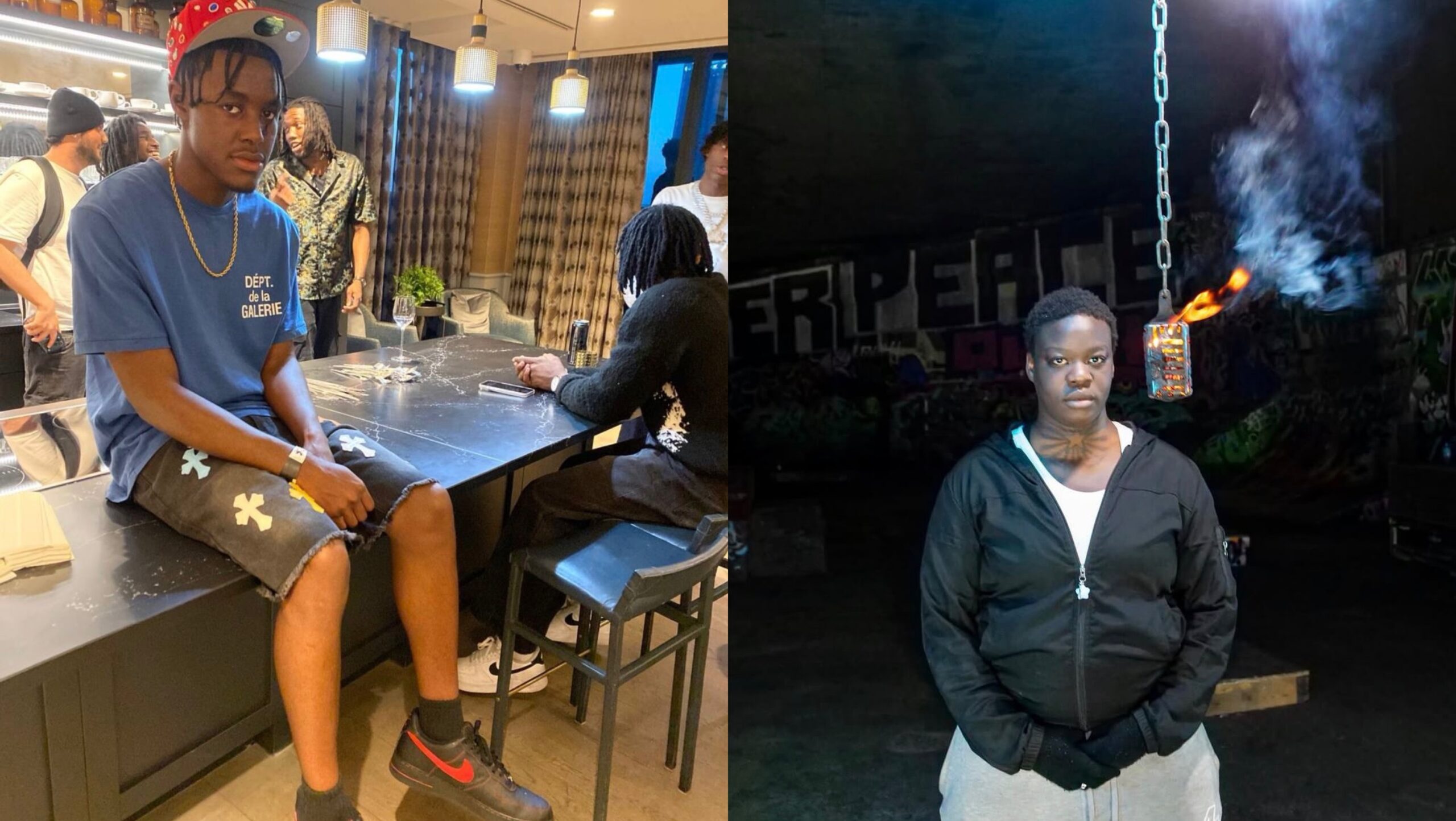
British-Ghanaian artist Sway, real name Derek Safo, built one of the most important independent careers of his generation.
Long before UK Rap became a commercial powerhouse, the North London rapper proved that a British MC could release music independently, win major awards and compete with established international artists without altering his identity or sound.
Although his unfortunate passing at the age of 44 has led to renewed attention around his name, Sway’s legacy shouldn’t be reduced to the circumstances surrounding his death. From This Is My Demo to tracks such as Little Derek, Still Speedin’ and Level Up, his career included critically acclaimed albums, chart success, international collaborations and valuable work developing other artists.
Sway’s Early Life:
Born in Hornsey, North London, to Ghanaian parents, Sway initially developed his craft as both a rapper and a producer.
He was involved with the groups Phynix Crew and One before becoming a solo artist. However, Sway did not immediately sign with an established record label. Instead, he created Dcypha Productions and independently released This Is My Promo, Volume 1 and Volume 2.
The projects helped establish him as one of the most promising rappers in the UK. His sharp delivery, humour and detailed storytelling allowed him to stand out during a period when UK Hip-Hop was still struggling for mainstream recognition.
Sway was not easily placed into one scene. His music contained elements of British Hip-Hop, Grime and electronic music, as well as African influences, whilst his lyrics regularly focused on everyday life.
Making MOBO History:
In 2005, Sway achieved something that demonstrated just how much momentum he had created independently.
He won Best Hip-Hop Act at the MOBO Awards while unsigned, becoming the first unsigned artist to win the category. At the time, US Hip-Hop was dominant in the UK. An independent North London MC beating 50 Cent and The Game for the award was therefore a significant moment for UK Rap.
This Is My Demo:
Sway released his debut album, This Is My Demo, in 2006 through Dcypha Productions.
The album captured many of the qualities that made him unique. Sway could be humorous and self-aware before switching into more serious social commentary or autobiographical storytelling. He was also heavily involved in the project’s production, further demonstrating that he was more than a rapper.
Little Derek reached number 38 on the UK Singles Chart, whilst This Is My Demo reached number 45 on the Albums Chart and number three on the Hip-Hop and R&B Albums Chart. Official Charts records also show that the album remained on the latter chart for 24 weeks.
More importantly, This Is My Demo received widespread critical acclaim, earning a nomination for the 2006 Mercury Prize.
A contemporary Pitchfork review praised Sway’s wit, technical ability, honesty and willingness to challenge familiar Rap stereotypes. The project was ultimately more than a collection of songs; it became proof that independently released British Rap could compete critically with music from much larger labels.

Working With Akon & Lemar:
Sway followed his debut with The Signature LP in 2008.
The album was more ambitious in scale, combining live musicians with detailed production and a 22-piece orchestra. It also featured artists including Lemar, 2Face Idibia and Akon.
Saturday Night Hustle featured Lemar, while Silver & Gold brought Sway together with Akon. Their working relationship would lead to a partnership between Dcypha Productions and Akon’s label, Konvict Music.
Collaborations Across UK Music:
Another important part of Sway’s career was his versatility.
He collaborated with established names such as Akon, Lemar, Kano, Donae’o, Akala, Tinchy Stryder and the Mitchell Brothers. He appeared alongside Riz Ahmed on Shifty and worked with Ed Sheeran during the early stages of Sheeran’s career, appearing on No.5 Collaborations Project.
Sway also moved outside conventional Rap spaces, appearing on material by the Kaiser Chiefs and working with artists across electronic, Pop and African music. This showed that, although he was primarily a Rap artist, he wasn’t confined to that box.
Why Is Sway Important To UK Rap?
Sway emerged before streaming platforms and social media made it easier for independent artists to reach large audiences.
He sold mixtapes, built Dcypha Productions and developed his reputation without needing a major label to decide that his music—and, by extension, UK Rap—was commercially valuable. His historic MOBO victory, Mercury Prize nomination and later chart success helped demonstrate what was possible for an independent UK artist.
Musically, he combined technical ability with humour, honesty and storytelling. He could discuss the music industry, his upbringing, ambition, cultural identity and social pressures without losing his personality. He never needed to disguise his accent or remove local references from his music to fit in.
His passing has rightly led to tributes from across UK music. However, the strongest way to remember Sway is to revisit the catalogue, understand what he achieved independently and recognise the doors he helped open for the artists who followed him.