Mr. Montgomery on UK Drill, Street Beef, and the State of Black Britain
The rise of knife crime in the UK (especially in young people) has sparked debates, with many pointing to UK Drill music as a potential culprit due to the sheer amounts of popular drill acts finding themselves in prison such as Kay-O, Digga D & Digdat. Today we delve into the controversial genre and see who is truly to blame. In this interview we talk to the pioneering drill historian Mr. Montgomery, a journalist who has documented the birth of UK Drill, offering a nuanced perspective on the matter. In this article, we delve into Mr. Montgomery’s life, upbringing, his thoughts on the genre’s influence on the youth, and his insights into the systemic challenges facing Black Britain.
Life In Angell Town: The Journey of Mr. Montgomery
Mr. Montgomery grew up in Brixton’s notorious Angell Town estate which was home of the infamous gangs and rap crews such as PDC (Peel Dem Crew), Gas Gang but in the modern day it’s home to the 150 gang. He also spent time in the nearby Myatts Field estate which is home to the 410 gang. Angell Town is a place that shaped his understanding & perspective of street life, violence, and community dynamics. He is also related to some of the respected gang members in the estate.
Mr Montgomery ended up being given that name by his school friends due to that being his middle name and his friends feeling like taking the mickey out of it. Mr Montgomery chose to keep this name as this is the same name that Montgomery Burns had in the Simpsons. Although Mr. Burns is an unsavory character Mr Montgomery adopted it due to him admiring the ambition, wealth and power that Mr Burns possessed.
Documenting the Streets: Mr. Montgomery’s Entry into Journalism
Mr. Montgomery’s journalistic journey began with his first interview being Stickz who is a pioneering and influential drill rapper representing the Angell Town estate. This interview generated a buzz locally, and it was clear that Mr. Montgomery had found his niche.
The Challenges of Staying Unbiased
As his career progressed, Mr. Montgomery faced the difficult task of remaining neutral in a polarizing Drill scene where there’s a thin line between friend and foe. Loyalty to his friends (some of whom were gang affiliated) in the Angell Town estate and his community made it difficult to maintain the journalistic detachment required for unbiased reporting. He admits, “I reward loyalty with loyalty,” acknowledging that his personal ties sometimes influenced his professional work.
The “On Your Block” Documentary
In 2017, Mr. Montgomery released his infamous “On Your Block” documentary, which aimed to offer a fresh perspective on UK Drill. He ventured into Angel Town as well as other local estates which many would be afraid of entering.
UK Drill Music: Influence, Violence, and the Current State
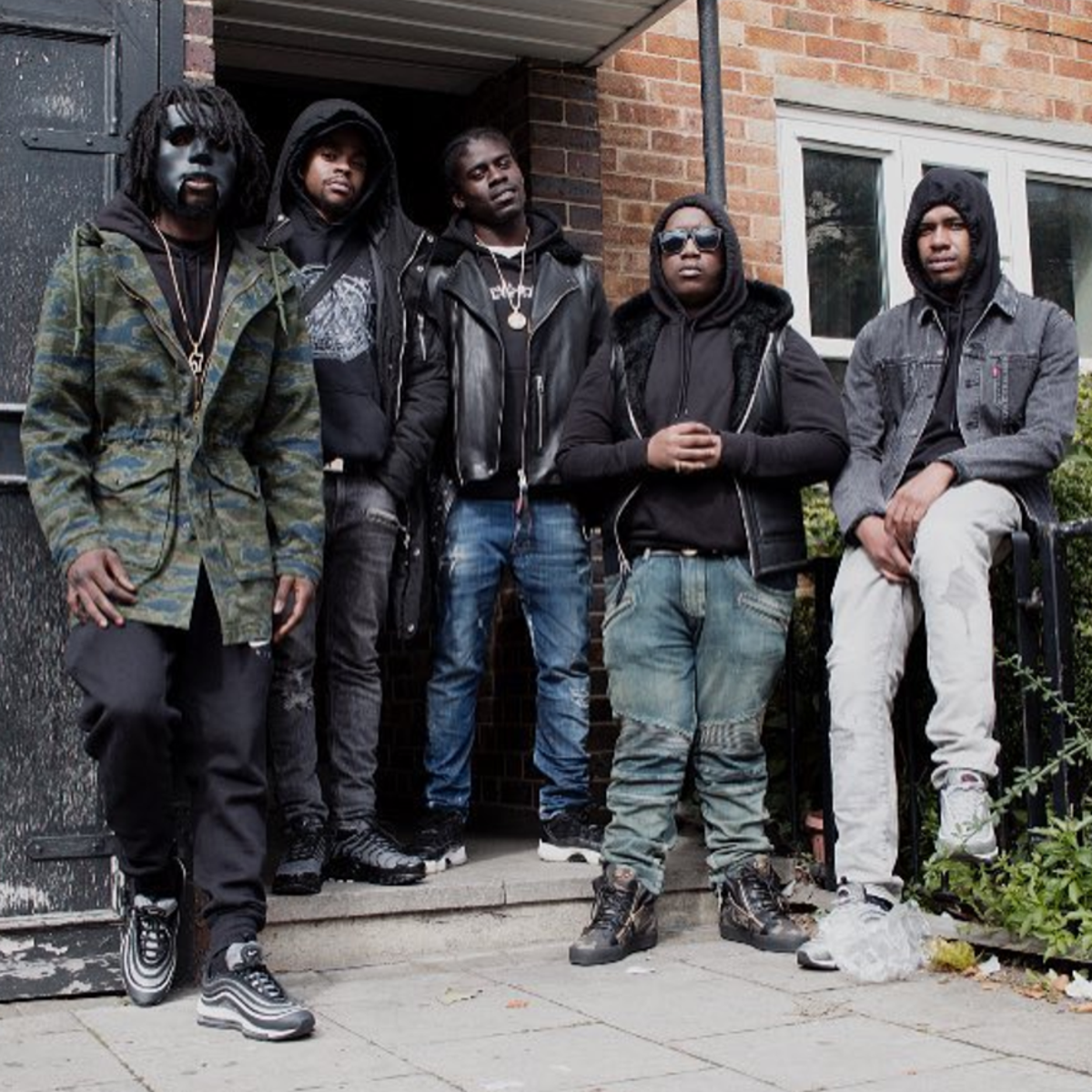
UK Drill music, a genre often linked to violence, has played a central role in the cultural narrative surrounding youth crime. But does it truly cause violence, or is the situation more complex?
Drill Music’s Influence on Youth
Mr. Montgomery acknowledged that some young people may be influenced by UK drill music, but argued that it ultimately depends on the individual. He insists, “Music can never influence me,” suggesting that those who can’t distinguish between reality and fiction are the ones who are most vulnerable to negative influences. UK Drill, he says, is an artistic expression and not a cause of the violence we’re currently in our streets.
The Current State of UK Drill
UK Drill has seen a dramatic rise. Artists such as Loski, Russ, Digga D and Central Cee are leading the way, earning respect for their significant contributions to both UK Drill & UK rap. Despite the genre’s commercial success, Many fans believe that the quality of UK Drill music has diminished and the sound has changed too much from what was the peak for drill in 2016-18.
The Digga D Situation
Mr. Montgomery spoke about Digga D, who is a prominent figure in UK Drill. He is currently serving an almost 4 year sentence for the importation and supply of cannabis. Digga D has faced repeated legal issues, however Mr Montgomery believes that Digga D has been unfairly targeted by the system, stating, “The system has systematically oppressed donny.”

Community and Systemic Challenges: A Call for Action
Mr. Montgomery also discussed the broader challenges facing Black people in the UK. Gentrification, systemic racism, and the lack of community ownership being the main culprits in regards to the struggles of Black communities.
Gentrification and Its Impact
Gentrification has been particularly harmful to Black communities, pushing out long-time residents and eroding the local culture. Mr. Montgomery advocates for community ownership, urging that locals should have jobs and stake in the areas where they live. “You need to own something in that area,” he stresses, stating that ownership is key to reversing the damage that’s being caused by gentrification.
Systemic Racism and Community Ownership
Systemic racism continues to affect Black communities, but Mr. Montgomery is adamant that action by the black community is needed more than ever as many of the obstacles that have hindered our progress are no longer there and that our community needs to take accountability. “There’s no excuse now,” he states, emphasizing the importance of taking concrete steps to address the inequalities that persist in society.
The Importance of Masculine Energy in the Black Community
In addition to economic and systemic challenges, Mr. Montgomery identified a lack of strong masculine leadership within the Black community. Urging men to step up, become leaders and positive idols for their community and their household. This is imperative as over 52% of black children are in single parent households.
Conclusion
Mr. Montgomery’s reflections on UK Drill, youth violence, and the state of Black Britain offer a critical perspective on the intersections between culture, community, and systemic oppression faced in Great Britain. While he acknowledges the impact of drill music, he stresses that it is not the root cause of youth violence. Rather, it is the result of deeper socio-economic issues, including systemic racism, lack of opportunities, and the erosion of community bonds due to gentrification. As he continues to navigate his own journey, Mr. Montgomery’s call for action—rooted in ownership, leadership, and unity—offers a potential path forward for Black Britain. His upcoming book promises to delve deeper into these themes, so be sure to keep an eye out for it when it comes out.