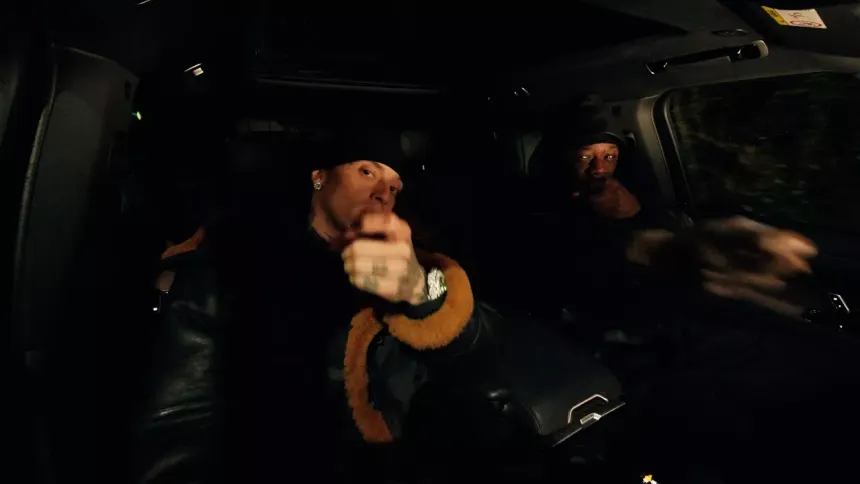
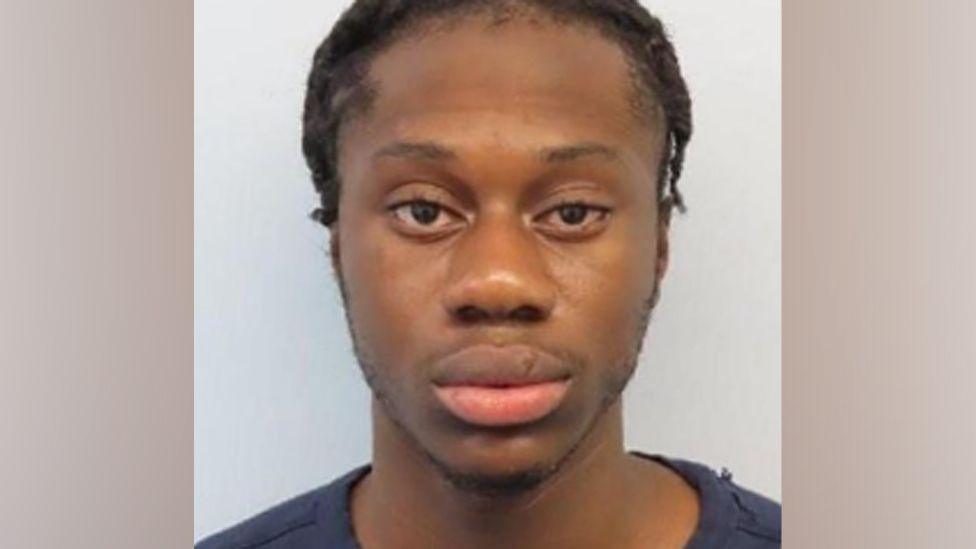
For DC3 music is bigger than just hype and numbers. The Northampton native has emerged as one of the freshest new artists due to his content.
Coming from a town not traditionally recognised as a rap stronghold, DC3 carries both the freedom and the responsibility of representing something different.
Clash had the opportunity to sit him down for an interview.
I have added parts of this QnA below and will link to the interview:
Interviewer: Let’s start with your origins in Northampton. Who were you before you ventured into music? What do those formative years look like?
DC3: I just liked music. I’ve always liked music, you know what I mean? I was born in a Seventh Day Adventist church, so my whole childhood was based around gospel music. Because of that, naturally, I just got into the character of gospel. I wasn’t really allowed to do much outside of church — my parents just wanted the best for me and wanted to make sure I was around the right things. So gospel music played a deep part in my life.
Before the music though, I actually wanted to be a footballer. I used to play a lot, I wanted to be a dancer, even tried magic tricks. I just wanted to do everything. Music was always sort of there, but it was also a problem for my parents because of the way it was looked at.
Interviewer: When and what sparked the shift towards Christian music? Was faith always an integral part of your life?
DC3: I was always listening to gospel but around eight years old, my sister started playing rap — Stormzy, Sneakbo, that kind of stuff — and I got into it. I liked how rap and gospel have similarities in terms of bounce and energy.
At first, I was making rap behind my parents’ back. They found out and it didn’t go down well. They were always trying to bring me back to Christian music, but honestly, I used to think Christian rap was cringe. I was ashamed to say the truth to the world because I thought it wouldn’t appeal.
What made me actually switch was getting closer to God last year. I looked at the music I was making; it wasn’t bad, but it had no purpose. I was just talking about anything. So I thought, if I’ve got music and there’s no message behind it, then what’s the point? Realising that gave me purpose. That’s what pushed me fully towards Christian music.
Check out the rest of this interview here.