Today, we go to the West African nation of Nigeria, known as “The Giant of Africa”, with a population of over 220 million people.
Nigeria has the largest nominal GDP in Africa at $574 billion, as well as a growing tech sector, telecommunications industry, banking system, and film industry (Nollywood).
Despite this, Nigeria is afflicted by corruption, banditry, and terrorism — all of which are key reasons it can still be considered poor, with a GDP per capita of just $2,540.
We will explore some of the reasons why Nigeria isn’t where it should be — and what potential solutions could help it overcome these challenges.
The Legacy of European Colonisation
The nation of Nigeria was colonised by Britain from 1861 to 1960 and was structured primarily to export raw materials such as cocoa, palm oil, and later, crude oil.
Although colonisation officially ended, its legacy still lingers. Many African nations remain under-industrialised because colonial rule prioritised extraction over institution-building, leaving Nigeria with fragile systems after independence.
Lastly, colonisation created artificial borders that forced a diverse array of ethnic groups into one country. This has led to long-term ethnic, regional, and religious divides that still persist today.
Corruption and Poor Governance
Nigeria has long been plagued by corruption, with scandals that seem straight out of a movie.
Corruption cuts across all levels of society — from police officers and public servants to top government officials.
Bureaucracy affects everyday life, even with simple processes such as obtaining a driver’s license.
Many reports indicate that bribes are often required to get such necessities in a timely manner — if at all.
We’ve also seen corruption involving high-level politicians and public officials such as John Yakubu Yusuf, the assistant director of the Police Pension Office, and James Ibori, the former Delta State Governor, who was convicted for embezzling $250 million.
We could go on, but the list would be endless.
It’s clear that accountability is weak due to a fragile rule of law and selective punishment when it comes to powerful individuals.
Whistleblower protection is weak, and journalists often risk violence when exposing corruption.
Nigeria could improve this situation by:
- Allowing public access to detailed budgets and procurement data
- Strengthening judicial independence and speeding up corruption trials
- Providing greater protection for whistleblowers and journalists
- Enforcing laws without fear or favour
Insecurity and Terrorism
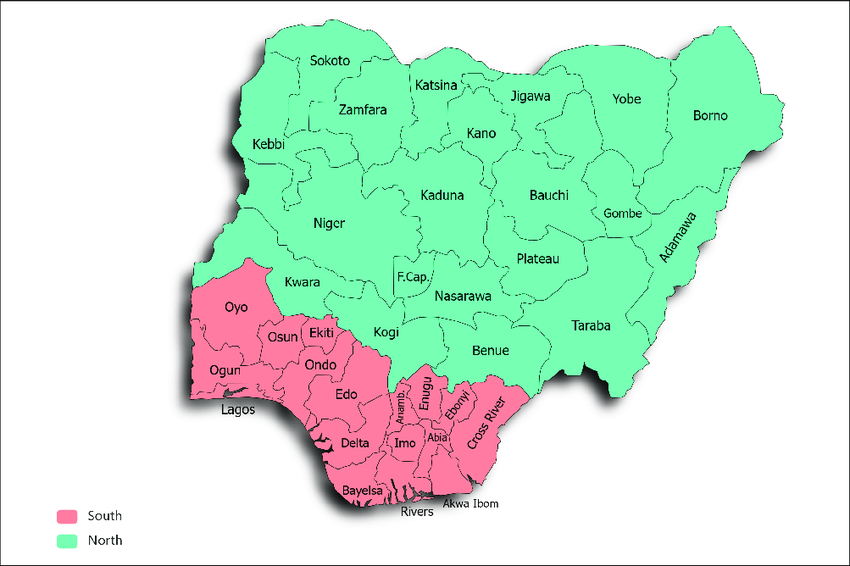
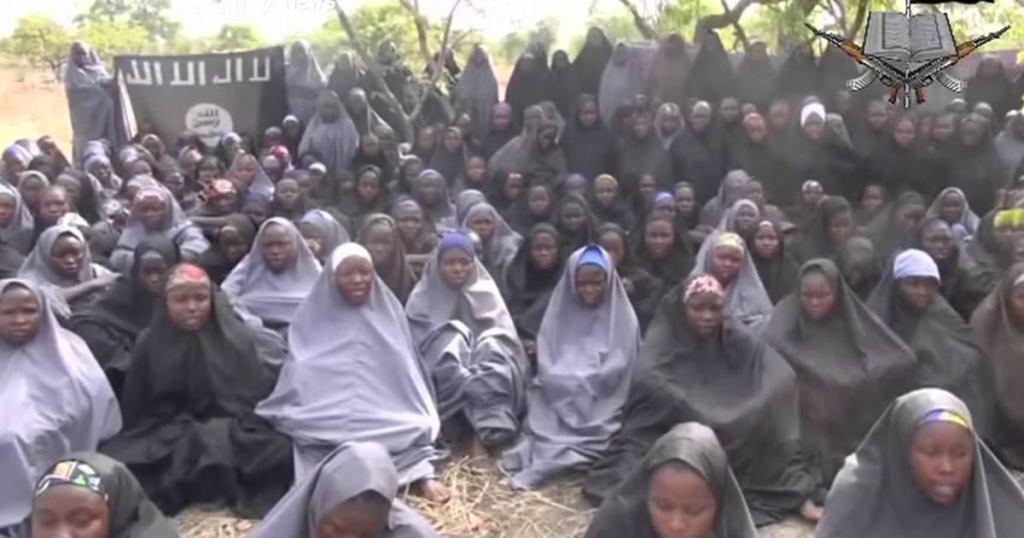
Nigeria has suffered numerous terror attacks from ideological groups such as Boko Haram, ISWAP (ISIS West Africa), and others that plague northern Nigeria.
Additionally, there are frequent clashes between Fulani herdsmen (who are mainly Muslim) and farmers (who are primarily Christian), deepening ethnic and religious tensions.
Many of these issues stem from — and are worsened by — climate change and poverty, which could be alleviated through better governance.
Solutions to reduce insecurity include:
- Reducing poverty and combating desertification in the north
- Expanding community policing and local oversight boards
- Implementing deradicalisation programs
- Promoting industrialisation in the north to create more job opportunities
Weak Infrastructure
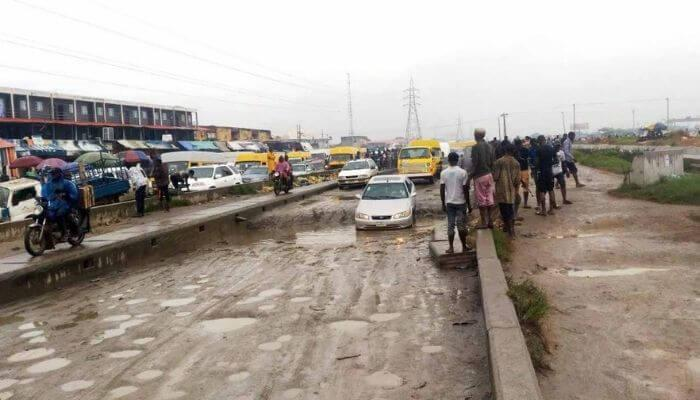
Nigeria’s roads are notoriously poor, even though most goods and people travel by road, leading to severe congestion.
This is especially evident in rural communities, where there is a lack of paved roads.
However, it goes far beyond that.
Nigeria suffers from a fragile electrical grid and outdated ports that experience constant gridlock.
Train lines are poorly maintained, and many infrastructure projects are either mismanaged or never completed.
These problems are closely tied to the issues of poor governance and corruption mentioned earlier — but also to underinvestment.
Nigeria spends less than 5% of its GDP on infrastructure, compared to China’s 25% during its industrialisation phase.